

Why Dubai’s Land Freight Network Is the Backbone of GCC Regional Trade
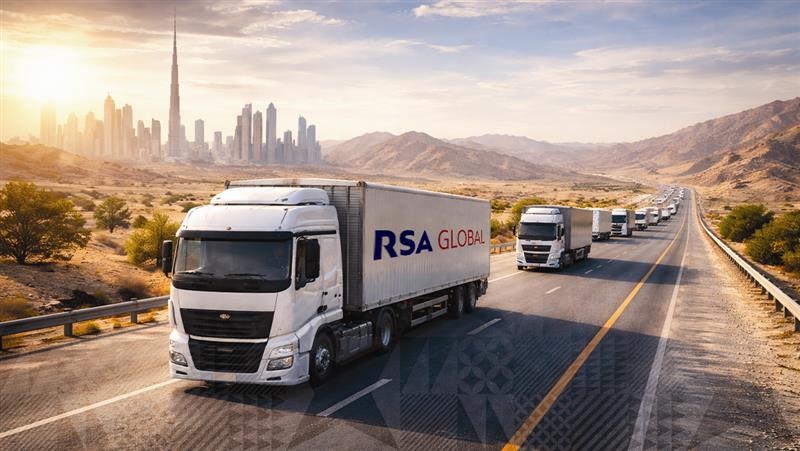
As regional trade within the Gulf Cooperation Council (GCC) accelerates, Land Freight Services based in Dubai has emerged as a cornerstone of commerce. With expansive infrastructure, efficient cross‑border coordination, and proximity to major markets such as Saudi Arabia, Oman, Kuwait, Qatar, and Bahrain, Dubai’s role in GCC road freight continues to expand in both scale and importance. Here’s an in‑depth look at why this network is foundational to trade across the GCC with real data and market context.
Dubai’s Advantage: Geography + Logistics Infrastructure
Dubai’s geographic location gives it a unique competitive edge. Positioned near key GCC markets, Dubai provides rapid access to consumer and industrial hubs. Goods arriving by sea or air at the UAE’s terminals can seamlessly transfer to land transport, allowing smooth distribution across the GCC via major highways such as E11, Emirates Road, and the Empty Quarter routes. This accessibility enables fast and dependable movement compared with longer sea legs or air freight options.
Dubai’s logistics zones, including strategic hubs like the Jebel Ali Free Zone (Jafza) and Dubai South, act as major consolidation points for regional distribution. These zones host thousands of international companies that benefit from streamlined customs, warehousing, and immediate connectivity to GCC corridors for land freight outflows.
Growing Market: GCC Road Freight Trends
Road transport forms the backbone of overland trade within the Gulf. In 2023, the GCC road freight market was valued at $22.6 billion, representing roughly 27 % of the region’s overall freight output and contributing about 1.2 % to regional GDP.
The UAE and especially the Dubai‑based network holds the largest share of the GCC road freight market at about 39 %, followed by Saudi Arabia at 22 %.
Efficient Connections Across GCC Markets
One of the standout strengths of Dubai’s land freight ecosystem is the network of high‑capacity corridors that link major cities and industrial zones:
- UAE ↔ Saudi Arabia: Dubai connects through the Ghuwaifat and Empty Quarter routes to Riyadh, Dammam, and beyond, one of the busiest and most reliable land trade corridors in the Gulf.
- UAE ↔ Oman: Routes via Hatta/Al‑Wajajah and Mezyad facilitate consistent movement of goods to Muscat and southern Oman.
- UAE ↔ Qatar, Bahrain, Kuwait: These markets are accessible via land freight routes through Saudi Arabia and other connecting highways, enabling cost‑competitive regional distribution.
This geographically interconnected network significantly reduces transit times and enhances reliability compared with other transport modes. It also supports growing export flows in sectors from manufacturing components to consumer goods, strengthening Dubai’s position as a trade springboard.
Digitization and Customs Harmonization: Enhancing Reliability
Another cornerstone of Dubai’s leadership in GCC land freight is the advancement of unified customs procedures and digital infrastructure. Regional systems like the GCC Unified Customs Transit and single‑window platforms allow cargo to clear borders more quickly and consistently, reducing delays and making land cargo movements more predictable.
These improvements benefit businesses by lowering administrative friction and enhancing supply‑chain transparency. Cargo from Dubai can now reach major regional centers with fewer border hold‑ups, which reinforces confidence in land freight routes services as a dependable choice for international trade.
Economic Impact and Future Outlook
Investments in transportation infrastructure and logistics technology continue to position the UAE and, particularly Dubai, as the central node for GCC trade. With road freight demand projected to grow alongside e‑commerce and industrial activity, the strategic role of Land Freight Services in Dubai is only set to strengthen.
For regional and international businesses, tapping into this network means access to quicker transit, flexible routing, and integrated customs frameworks, all of which solidify Dubai’s role as the indispensable backbone of GCC road freight in 2026 and beyond.
Dubai’s strategic location, integrated logistics infrastructure, and enhanced customs systems uniquely position its land freight network as the most reliable choice for regional trade across the GCC. With robust corridors linking major markets and ongoing growth in intra‑GCC commerce, Dubai remains the hub where land freight delivers both speed and precision for the future of Gulf trade.


